
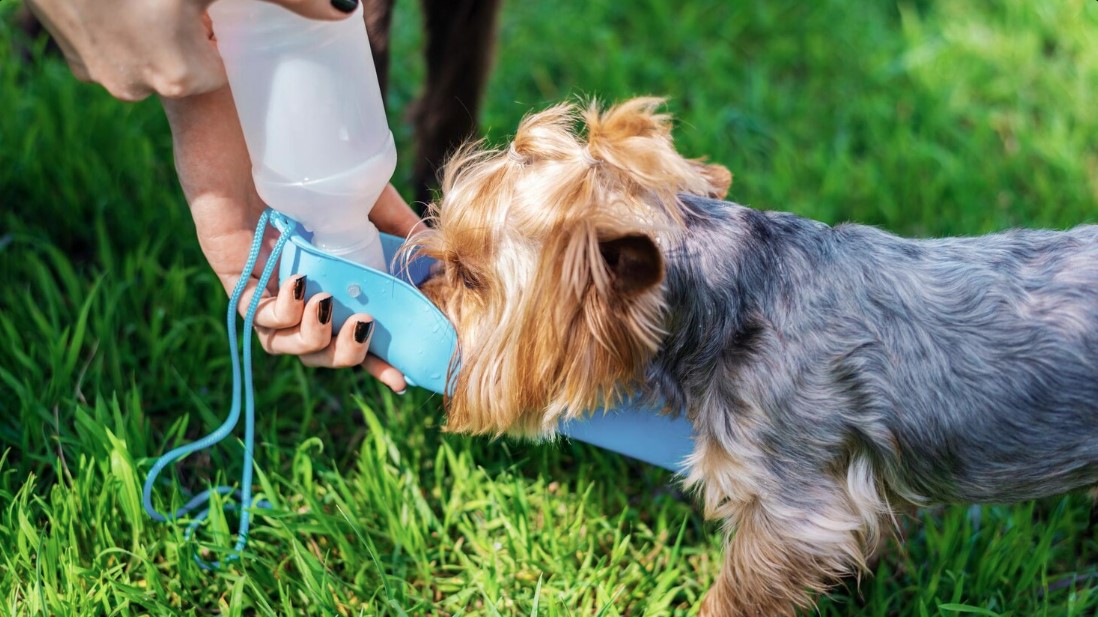
Water plays a major role in a dog’s overall health. Proper hydration supports digestion, body temperature, joint function, circulation, and energy levels. Yet many dogs do not drink enough water throughout the day, especially during hot weather or when left alone at home for long periods.
That is why many pet owners now use a dog water dispenser to provide a steady supply of clean drinking water. These systems help dogs stay hydrated while making daily pet care easier for busy households.
From gravity-fed bowls to automatic fountains, modern dog waterers come in different styles and sizes for every type of dog.
This guide explains how dog water dispensers work, their benefits, and how to choose the right one for your pet.
Why Hydration Matters for Dogs
Dogs lose water through:
● Panting
● Urination
● Physical activity
● Hot weather
Without enough water, dogs may become dehydrated quickly.
Common Signs of Dehydration
● Dry nose
● Low energy
● Thick saliva
● Sunken eyes
● Loss of appetite
Proper hydration supports healthy bodily function every day.
What Is a Dog Water Dispenser?
A dog water dispenser automatically supplies water into a bowl or drinking area as your pet drinks.
Some systems use gravity, while others use electric pumps to circulate water continuously.
These products help:
● Maintain water availability
● Reduce refilling frequency
● Keep water cleaner
● Encourage more drinking
Many pet owners pair them with a Dog Water Feeder setup for complete feeding stations.
Types of Dog Water Dispensers
Different systems work better for different homes and dog sizes.
1. Gravity-Fed Dog Water Dispenser
This is one of the most common styles.
A large water container slowly refills the bowl as the water level drops.
Benefits
● Simple setup
● No electricity needed
● Affordable
● Good for multiple dogs
Gravity dispensers work well for everyday use.
2. Automatic Water Fountains
Electric fountains circulate water continuously.
Why Dogs Like Them
● Moving water stays fresher
● Encourages drinking
● Filters help remove debris
Many dogs prefer flowing water over still bowls.
3. Portable Travel Water Dispensers
Travel dispensers are designed for walks, road trips, and outdoor activities.
Good For
● Hiking
● Car rides
● Outdoor parks
● Long walks
Portable systems help dogs stay hydrated while traveling.
4. Combination Dog Feeder and Water Systems
Some setups combine food and water stations.
These dog feeder and water systems help simplify feeding areas and reduce clutter.
Main Advantages
● Organized feeding station
● Easier portion setup
● Convenient for busy owners
These systems work especially well in multi-pet homes.
Benefits of Using a Dog Water Dispenser
Encourages Better Hydration
Some dogs naturally drink more when water stays fresh and easily available.
This becomes especially important during:
● Summer heat
● Exercise
● Recovery from illness
Cleaner Water Supply
Many dog waterers include filters that help remove:
● Hair
● Dirt
● Food particles
Cleaner water may encourage dogs to drink more often.
Convenient for Busy Owners
Owners who work long hours may not refill bowls constantly.
A dog water dispenser helps maintain water availability throughout the day.
Supports Multiple Dogs
Larger dispensers help homes with several pets maintain steady hydration.
Helps During Hot Weather
Dogs need extra water during warm temperatures.
Automatic systems help ensure water remains available even when owners are away.
How Much Water Should Dogs Drink?
Water needs vary based on:
● Body size
● Diet
● Activity level
● Weather
Many dogs need about one ounce of water per pound of body weight daily.
Dogs eating dry food often drink more water than dogs eating wet food.
Signs Your Dog Needs More Water
Watch for:
● Excessive panting
● Low energy
● Dry gums
● Thick saliva
● Dark urine
Hydration should always remain a daily priority.
Choosing the Right Dog Water Dispenser
Before buying, consider:
● Dog size
● Water capacity
● Cleaning difficulty
● Power requirements
● Noise level
Large breeds usually need higher-capacity systems.
Best Materials for Dog Waterers
Material quality affects durability and cleanliness.
Stainless Steel
● Durable
● Easy to clean
● Resistant to bacteria
BPA-Free Plastic
● Lightweight
● Affordable
● Common in portable models
Ceramic
● Stylish appearance
● Heavy and stable
● Easy cleaning
Stainless steel remains one of the most popular choices.
Cleaning and Maintenance Tips
Clean water systems regularly to prevent bacteria buildup.
Cleaning Tips
● Wash bowls frequently
● Replace filters as recommended
● Rinse reservoirs thoroughly
● Remove slime buildup immediately
Dirty dispensers can discourage drinking.
Dog Water Dispenser vs Traditional Bowl
Traditional Bowls
● Simple setup
● Low cost
● Easy cleaning
Dog Water Dispensers
● Larger water capacity
● Continuous supply
● Fresher water
● Better convenience
Both options work, but dispensers often reduce maintenance.
Common Mistakes Dog Owners Make
Not Cleaning Often Enough
Bacteria can grow quickly inside water systems.
Choosing the Wrong Size
Small dispensers may empty too fast for large dogs.
Ignoring Filter Replacement
Old filters reduce water quality.
Placing Water in Hot Areas
Warm water becomes less appealing to dogs.
Indoor vs Outdoor Water Systems
Indoor Systems
● Automatic fountains
● Quiet operation
● Easy monitoring
Outdoor Systems
● Larger reservoirs
● Weather-resistant materials
● Portable hydration solutions
Choose based on your dog’s daily routine.
Help Your Dog Stay Hydrated Every Day
A good dog water dispenser can improve convenience, encourage hydration, and help maintain cleaner drinking water throughout the day. Whether you choose a gravity-fed model, fountain system, or portable travel dispenser, the right setup can make daily care much easier.
Consistent hydration supports your dog’s energy, digestion, and overall health, making clean water one of the most important parts of your pet’s routine.
FAQs
What is the best dog water dispenser for large dogs?
Large-capacity gravity dispensers and automatic fountains work well for bigger breeds.
Are automatic dog water fountains safe?
Yes, most are safe when cleaned regularly and maintained properly.
How often should I clean dog waterers?
Water bowls and dispensers should be cleaned several times each week.
Do dogs prefer moving water?
Many dogs enjoy moving water because it stays fresher and more appealing.
Can a dog feeder and water station save space?
Yes. Combination feeding systems help organize pet feeding areas more efficiently.