
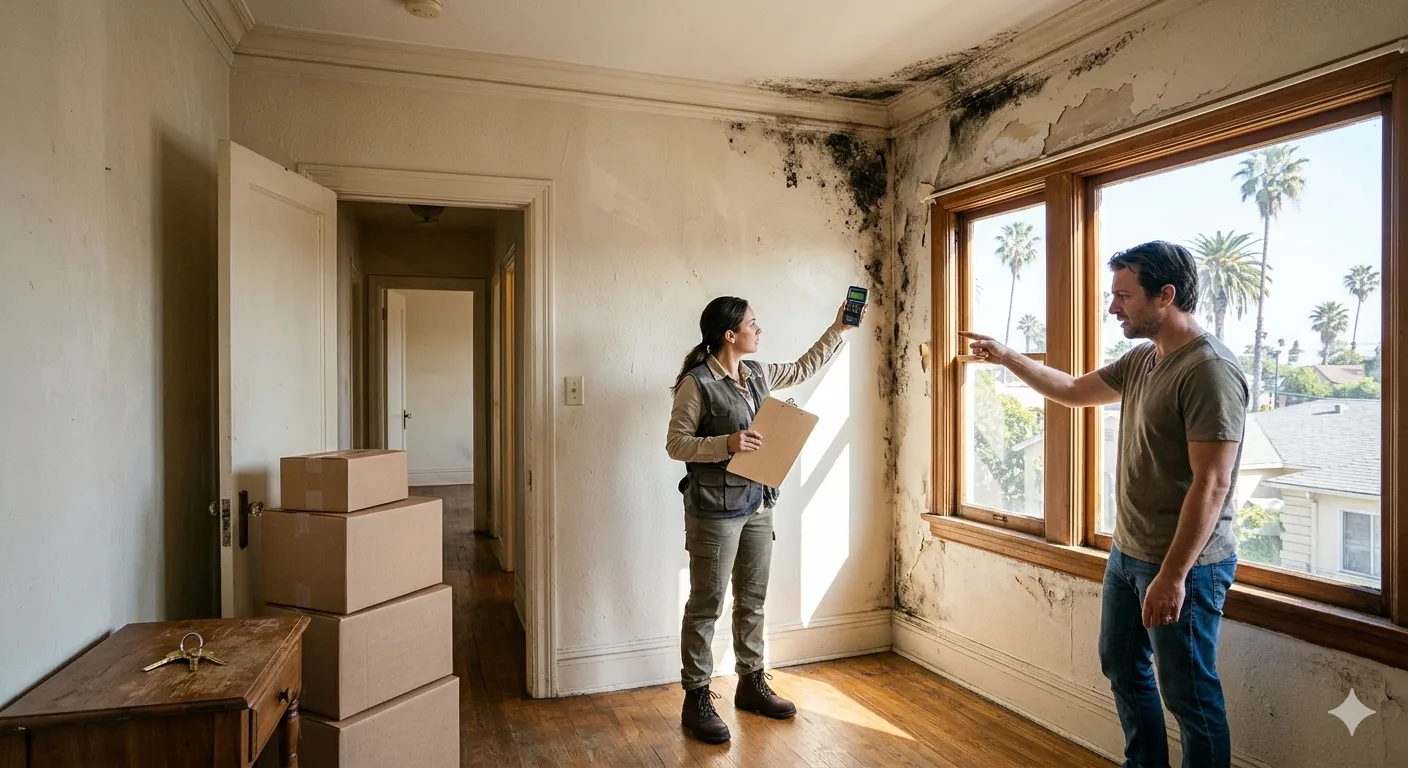
A change in property ownership can create uncertainty for tenants already dealing with unresolved mold problems. Repair requests may have been submitted months earlier, yet the building is sold before meaningful corrective work begins. Residents may wonder whether the new landlord must address existing damage or whether previous complaints still matter. Consulting toxic mold attorneys california may help clarify potential legal issues involving unsafe housing conditions during ownership transitions. Understanding how tenancy rights and maintenance obligations continue after a sale can prevent unnecessary confusion and protect important records.
Understand What Changes After A Sale
Selling an occupied rental property does not ordinarily terminate existing tenancy rights. California tenants generally retain the protections of their rental agreements, subject to applicable laws governing tenancy termination and other changes. A new owner assumes the role of landlord and must comply with relevant housing obligations. However, determining responsibility for damage or misconduct occurring before the sale may involve additional legal questions. Residents should distinguish continuing repair requirements from potential claims against a previous owner, because those issues do not necessarily have identical answers.
Preserve The Original Maintenance History
A change in management should not erase the documented history of a serious housing problem. Tenants can organize earlier emails, photographs, inspection notices, contractor reports, and records of unsuccessful repair attempts. These materials establish when conditions appeared and how previous management responded. Residents should retain copies independently rather than assuming every document will transfer to the purchaser. A chronological record also helps explain why a newly reported concern may actually involve longstanding deterioration. Accurate dates become especially valuable when responsibility for earlier events is disputed.
Notify The New Property Owner Promptly
Once tenants receive reliable information about new ownership or authorized management, they should communicate outstanding maintenance concerns through the appropriate channels. A written notice can describe affected rooms, previous repair attempts, and any continuing water intrusion. Attaching relevant photographs or inspection findings may help the new landlord understand the situation quickly. Residents should request acknowledgment and information about the proposed investigation. Even when earlier complaints were properly submitted, renewed communication can reduce misunderstandings and establish a clear record of the new owner’s response.
Evaluate Continuing Habitability Responsibilities Carefully
California law generally requires residential landlords to maintain properties in habitable condition, including addressing serious defects involving moisture and qualifying mold hazards. Ownership changes do not eliminate the obligation to maintain safe rental premises. A los angeles habitability lawyer can help evaluate unresolved conditions, repair notices, and potential claims involving different ownership periods. However, liability for particular losses depends on the facts and applicable legal rules. Tenants should not assume the purchaser automatically becomes responsible for every alleged violation committed before acquiring the building.
Watch For Improper Changes To Tenancy
An ownership transition may introduce new payment instructions, management contacts, or maintenance procedures. These administrative changes should not be confused with an unrestricted right to rewrite existing lease terms. Tenants should verify legitimate ownership or management instructions before directing payments elsewhere. Requests to sign replacement agreements deserve careful review, particularly when unresolved repair disputes exist. California and local tenant protections may restrict certain changes or termination actions. Residents should preserve their current lease and obtain clarification before accepting provisions that could materially affect established rights.
Distinguish Repair Duties From Financial Claims
Correcting an ongoing leak and compensating someone for earlier losses involve different legal questions. The current landlord may need to address existing habitability problems, while claims concerning previously damaged belongings or alleged exposure require separate evaluation of responsible parties. Relevant considerations include when the condition developed, who received notice, and whether particular conduct caused documented harm. Evidence from multiple ownership periods may therefore matter. Residents should organize financial records separately from maintenance complaints so potential repair obligations and compensation issues can be assessed accurately.
Conclusion
Property sales may change who receives rent and coordinates maintenance, but unresolved building conditions still deserve attention. Tenants benefit from preserving earlier complaints, notifying incoming management, and distinguishing present repair needs from claims involving past conduct. A documented transition makes it easier to evaluate responsibilities without relying on conflicting verbal explanations. Legal support through mehdlaw.com may be relevant when serious housing defects remain contested. Before signing new agreements or accepting explanations about inherited problems, residents should examine their existing rights and available evidence.