
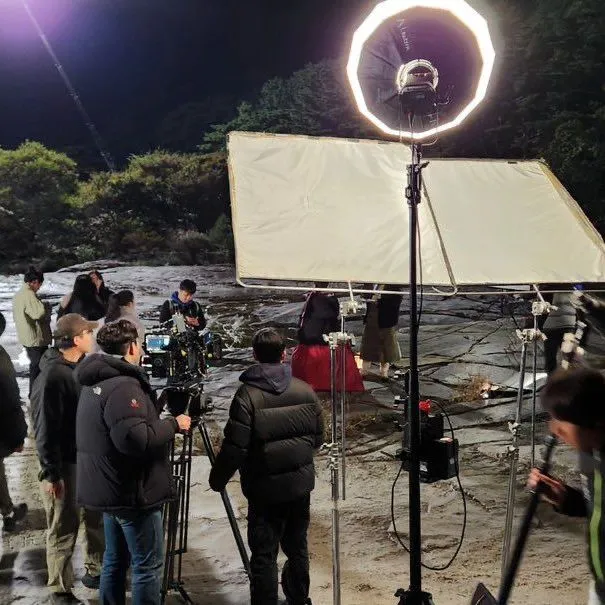
A documentary can collect hundreds of files before its first rough cut begins. Alongside video and audio recordings, producers may receive interview transcripts, research documents, location notes, photographs, permissions, and translated statements. When these materials are scattered across laptops and hard drives, finding reliable evidence becomes difficult. Editors may struggle to trace a quotation or confirm the source of an image. A clear organizational system prevents confusion, protects sensitive information, and makes collaboration easier. For documentaries filmed across different locations or languages, careful recordkeeping is an essential part of telling an accurate story.
Create a Consistent System for Every File
Before filming begins, agree on a naming format for camera files, sound recordings, transcripts, and production notes. Dates, location codes, and recording identifiers help the team understand where each item belongs. Keep folder structures simple enough for a researcher, editor, or assistant joining later to follow without additional explanations.
Make secure backups at regular intervals and verify that copied files open correctly. Store backup copies separately from the original media whenever possible. Restrict access to confidential interviews and documents, and assign someone responsibility for checking that files are transferred and logged correctly after each shoot.
Connect Research Notes to Verifiable Sources
Documentary storytelling often brings together personal memories, archival records, news reports, and official documents. These sources can disagree, and not every statement can be treated as established fact. Researchers should record where information originated, when it was collected, and whether another source has confirmed it.
A documentary fixer South Korea can help an international team communicate with local contacts and understand the practical setting of an investigation. However, a fixer’s guidance does not replace editorial fact-checking. Producers should distinguish firsthand testimony from interpretation and identify claims needing further evidence before they become part of a script.
Keep Interviews, Transcripts, and Translations Aligned
Timecoded transcripts allow editors to find important answers without repeatedly searching through recordings. When interviews involve Korean and English, keep the original wording and translated version together. Include speaker names, interview dates, and notes on terms that may require specialist review.
Translations should communicate meaning faithfully rather than make every sentence sound more dramatic. If a statement is unclear, mark it for clarification instead of guessing. Editors must also review shortened quotations against the source recording. Removing words is sometimes necessary, but changing what a participant appears to mean can undermine the entire film.
Track Rights, Releases, and Editorial Decisions
A documentary may use photographs, music, archival video, or footage recorded inside privately managed locations. Each item needs a record showing who supplied it, the permitted uses, and any restrictions. Material found online should never be assumed available for unrestricted reuse simply because it can be viewed publicly.
A Full Service Production Company in Korea may assist with production coordination and postproduction activities, but responsibilities for licensing and approvals should be defined in the project agreement. Keep an accessible permissions log and note which editor or producer approved changes. This gives the team a practical way to resolve questions before delivery.
Review Evidence While the Crew Is Still Filming
Waiting until postproduction to identify missing information can lead to expensive follow-up work. Hold a brief editorial review after filming days to compare recorded scenes with the research plan. Ask whether names and dates are confirmed, important claims have supporting material, and the audience will understand the sequence of events.
Write any unresolved questions into a shared task log, assigning each one an owner and a deadline. A researcher might verify an official date, while the camera team collects a contextual exterior or missing location detail. Review these tasks before the next shoot so the team can adjust its schedule intelligently. This routine helps prevent small gaps from becoming major editing problems and keeps everyone focused on the evidence still needed for a responsible final cut. It also makes handovers easier when producers, researchers, and editors are working in different places or across time zones.
Conclusion
Organizing documentary evidence is not simply an administrative exercise. It supports accurate storytelling, smoother editing, and responsible treatment of the people whose experiences appear on screen. Clear filenames, secure backups, traceable research, reliable transcripts, and carefully maintained permissions help each department work with confidence. Regular reviews also reveal missing details while the team still has an opportunity to address them. A well-managed archive leaves room for creative choices without losing sight of the facts. When every important decision can be traced, the finished film becomes easier to defend, revise, and share.