
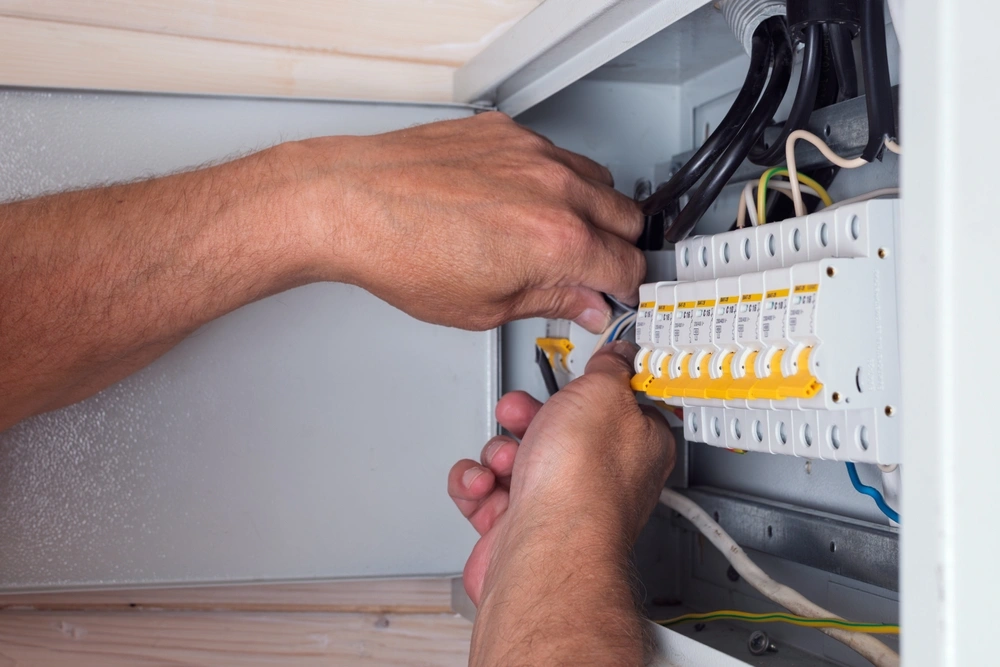
Older homes often have distinctive architectural details, mature gardens and layouts that appeal to buyers. Their electrical systems, however, may reflect the requirements of a very different period. Modern appliances, heating equipment and home offices can place demands on circuits that were never designed for today’s lifestyle. Considering electrical panel replacement south shore services may be appropriate when an inspection identifies capacity limitations, deterioration or outdated equipment.
Age alone does not determine whether an electrical system is unsafe. Its condition, installation history and ability to serve current household requirements are far more important.
Electrical Needs Change With Every Generation
Homes built decades ago generally accommodated fewer electronic devices than modern households. Kitchens now contain powerful appliances, while entertainment systems, computers and charging equipment add further demand.
Renovations can gradually increase the electrical load without prompting a comprehensive system review. A finished basement, additional bathroom or new heating arrangement may introduce circuits that were absent from the original design.
The cumulative effect matters. Even when individual improvements appear minor, the electrical distribution system must remain suitable for the combined demand.
Small Warning Signs Deserve Attention
Electrical problems do not always begin with a complete power failure. Some develop through intermittent symptoms that homeowners may dismiss as ordinary inconveniences.
Frequent circuit breaker trips, unusual buzzing near electrical equipment and outlets that feel excessively warm can indicate problems requiring professional evaluation. Burning smells or visible damage are particularly concerning.
Flickering lights may have several causes, including issues unrelated to the main panel. Rather than assuming that a replacement is necessary, homeowners should request an assessment to identify the underlying problem.
A Renovation Is an Opportunity for Inspection
Kitchen and basement renovations frequently change how electricity is used. New lighting, additional outlets and high-demand appliances can all influence the design of electrical circuits.
A homeowner hiring an electrician Longueuil for renovation work can discuss whether existing wiring and distribution equipment are suitable for the proposed improvements. Examining these matters before walls are closed may help avoid disruptive alterations later.
It is also worth reviewing outlet placement. A room that previously required two sockets may now need several accessible connections for computers, lamps and other devices.
Planning electrical work alongside the wider renovation allows contractors to coordinate installations more effectively.
What an Electrical Panel Assessment Involves
The electrical panel acts as a central distribution point for a home’s circuits. Its condition affects how electricity is delivered and protected throughout the property.
During an assessment, a qualified professional may examine the panel’s rating, physical condition, circuit arrangements and suitability for existing and planned loads. Signs of overheating, corrosion or improper modifications can require additional attention.
The electrician may also assess whether the property has sufficient service capacity. Panel replacement and electrical service upgrades are related possibilities, but they are not automatically the same project.
Understanding this distinction helps homeowners avoid assuming that installing a larger panel alone increases the electricity available from the utility connection.
Avoid Unnecessary Electrical Work
Major electrical upgrades involve expense, so decisions should be based on evidence rather than general assumptions about older properties.
A functioning panel that is properly rated and in good condition may continue serving a household safely. In other situations, equipment defects, unsuitable modifications, or capacity limitations can justify replacement.
Homeowners should ask which specific findings support the recommended work. A clear explanation should identify the problem and describe how the proposed solution addresses it.
Comparing the scope of work, materials, and any required coordination with the electricity provider also makes quotations easier to understand.
Preparing for Future Household Changes
Electrical improvements are most useful when they support foreseeable household requirements. Someone planning to install a heat pump, add an EV charger or convert a basement into living space should discuss those plans during the assessment.
Considering future demand does not mean that every circuit needs immediate replacement. It means making informed decisions while access to equipment and wiring is available.
Documentation of completed work can be helpful for future maintenance, renovation planning and discussions with prospective property buyers.
Conclusion
Maintaining an older home’s electrical system requires attention to its condition rather than simply its age. Inspections, practical renovation planning and timely repairs help homeowners understand whether upgrades are necessary. Property owners looking for information about residential electrical maintenance and system improvements in Greater Montréal can consult electrivolt.ca/en. A careful assessment helps distinguish genuine safety concerns from changes that may be optional, supporting responsible decisions about long-term property maintenance.