
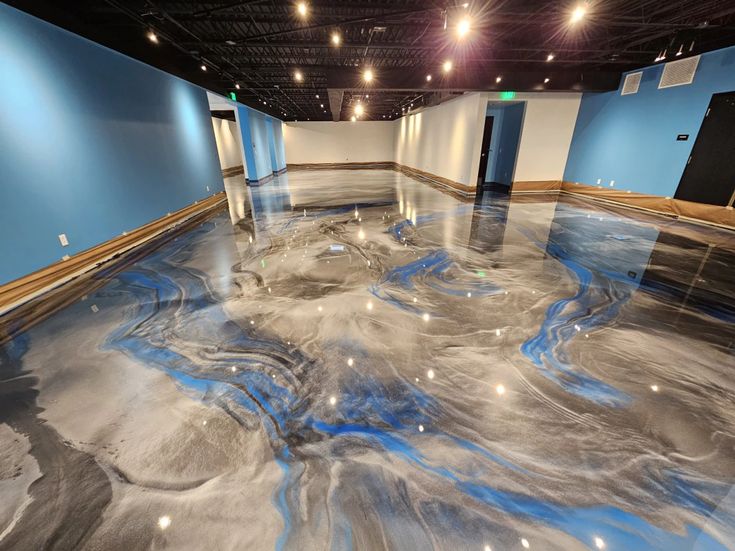
Concrete floors in garages, workshops, retail areas, and utility spaces often start practical but unfinished. For property owners considering epoxy flooring bend, the most important decision is not the color of the coating. It is whether the system is being matched to the condition of the slab, the traffic it will face, and the way the space is actually used.
Property owners across Oregon can choose from epoxy coatings, polished concrete, overlays, and other concrete-finishing options. A good project begins by understanding what the existing slab needs before deciding which decorative or protective finish should be applied.
Begin With the Concrete, Not the Finish
Older slabs may contain cracks, stains, previous coatings, adhesive residue, pitting, or uneven repairs. These conditions can affect both the appearance of the finished floor and how much preparation is required.
Property owners comparing epoxy floor coating dallas or options should apply the same rule: the slab underneath deserves attention before the coating is selected. A visually attractive system will still depend on proper preparation and repair work for reliable adhesion.
Why Mechanical Preparation Matters
Unique Coatings & Polishing describes a process that begins with surface preparation, followed by concrete repair, epoxy application, and sealing. That order is important because the visible finish is only one part of the installation.
Mechanical grinding is often used to remove weak material or previous coatings and to create a more suitable profile for the new system. Cracks, pits, and damaged areas can then be addressed before the coating layers are installed.
Skipping those steps can leave problems trapped beneath the new floor. Preparation may not be the most noticeable part of the project, but it strongly influences the final result.
Match the Floor to the Workload
A residential garage does not face the same demands as a workshop, retail space, or industrial area. Vehicle traffic, tools, equipment, chemicals, and cleaning routines should all be considered.
In a garage, homeowners may care most about hot tires, oil drips, dirt, and easy cleaning. In a commercial setting, rolling carts, continuous foot traffic, or impact from equipment may become more important.
The flooring system should be chosen around those conditions rather than treating every concrete floor as the same project.
Think About Texture and Traction
Decorative flakes and textured finishes can add visual interest while also influencing how the floor feels underfoot. The right amount of texture depends on the environment.
A garage that becomes wet from rain or washing may benefit from added traction. However, a very aggressive surface can be more difficult to mop or clean.
The installer should help balance grip, appearance, and maintenance so the floor works for the space instead of creating a new inconvenience.
Consider Oregon’s Seasonal Conditions
Bend and other parts of Oregon experience changing temperatures through the year. Garages can also receive water, road debris, and dirt from vehicles during wet or snowy periods.
These conditions make maintenance planning important. A coated floor should be cleaned regularly so grit does not remain on the surface and become ground in by tires or foot traffic.
Property owners should also ask whether the selected topcoat is appropriate for the exposure and how soon the floor can return to normal use after installation.
Choose Color With the Whole Room in Mind
A floor covers a large visual area, so color can change how a garage, workshop, or commercial room feels. Neutral flake blends can create a clean background, while bolder finishes may suit a showroom or hobby space.
Samples should be viewed in the actual lighting when possible. Daylight, overhead fixtures, cabinets, walls, and equipment can all change how a color appears.
The best finish is one that feels intentional without making maintenance harder.
Ask About Long-Term Care
A durable coating still needs routine maintenance. Dust, sand, leaves, and other abrasive debris should be removed before they build up.
Spills should be cleaned promptly, and cleaning products should be compatible with the installed system. It is useful to ask for written maintenance guidance when the project is completed.
Homeowners and businesses should also understand what to do if isolated damage appears later. Knowing whether repairs can be handled locally makes future maintenance easier to plan.
Conclusion
An epoxy floor project is more than a decorative upgrade. Slab condition, preparation, repairs, traffic, texture, seasonal exposure, and cleaning all influence how successful the finished floor will be.
Oregon property owners comparing epoxy and other concrete finishes can explore relevant flooring options through uniquecoatingsandpolishing.com. Starting with the existing slab and intended use can help ensure the chosen system fits the space rather than simply changing its appearance.